
Venezuela Earthquake Survivors Pulled from Rubble
Rescue efforts continue after a significant earthquake in Venezuela, with a race against time to find survivors amid widespread damage and missing persons.
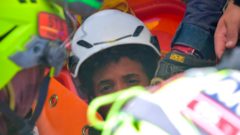
What Happened
A recent earthquake in Venezuela has led to ongoing rescue operations, with several individuals, including children, pulled from collapsed structures. The weekend saw successful rescues, but concerns remain for the large number of missing persons.
Why Is This Happening
The immediate cause is the seismic event itself, which triggered structural collapses. The ongoing challenge lies in the scale of the disaster, the condition of infrastructure, and the logistical complexities of large-scale search and rescue in affected areas.
Why It Matters
The event highlights Venezuela's vulnerability to seismic activity and the state of its infrastructure, potentially exacerbated by economic conditions. The humanitarian aspect of locating survivors and providing relief is paramount.
Political Impact
The earthquake places pressure on the Venezuelan government to effectively manage disaster response and recovery, potentially influencing public trust and international aid relations. It can also strain already limited state resources.
Economic & Financial Impact
Damage to infrastructure could have long-term economic consequences, affecting housing, services, and local commerce. Recovery efforts will likely require significant financial investment, potentially diverting resources from other areas.
Social Impact
Communities face displacement, loss, and psychological trauma. The sustained uncertainty for families of the missing adds to the social distress, with the closing 'golden hour' for rescues heightening anxiety.
Geographical Impact
The impact is concentrated in the earthquake's epicentral region and surrounding areas in Venezuela, affecting urban and potentially rural communities. The extent of damage will determine the scale of internal displacement.
Different Perspectives
Government/Official Response Emphasizing ongoing efforts, successful rescues, and the mobilization of national resources to address the disaster. Affected Population/Families Arguing for accelerated rescue efforts, sufficient aid, and greater transparency regarding the scale of the disaster and the status of missing loved ones. International Observers/Aid Agencies Monitoring the situation, assessing needs, and potentially offering support, while also noting the infrastructural challenges and the critical timeline for survivor recovery.
Key Terms Explained
Seismic Activity: The movement of the ground caused by the release of energy in the Earth's crust. Structural Collapse: The failure of buildings or other structures due to the force of an earthquake. Search and Rescue (SAR): Operations to locate and extricate individuals trapped or injured during disasters. 'Golden Hour': The critical period immediately following a traumatic injury or disaster, during which survival rates are highest if medical intervention or rescue occurs.
What Could Happen Next
Rescue operations will continue for a limited period, prioritizing accessible locations. Focus will shift to damage assessment, aiding displaced populations, and beginning recovery efforts, potentially facing significant resource constraints. Further successful rescues occur, and international aid flows in effectively, enabling a more robust and timely recovery and reconstruction process. Government response coordination is highly efficient. The number of missing persons remains high, with dwindling hopes for further rescues. The scale of destruction overwhelms available resources, leading to prolonged humanitarian challenges and potential social unrest. Infrastructure damage severely hampers long-term recovery.