
US Strikes Iranian Targets Amid Red Sea Tensions
Washington responds to merchant vessel attacks with strikes on Iranian missile and drone facilities, escalating regional friction.
What Happened
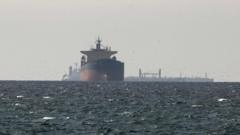
The US military carried out strikes against multiple Iranian targets, including missile and drone storage sites and coastal radar facilities. These actions were a direct response to recent attacks on international cargo ships in the Red Sea region, attributed by the US to Iran.
Why Is This Happening
The strikes represent an escalation of the ongoing conflict in the Red Sea, where Iran-aligned Houthi rebels have repeatedly attacked commercial shipping. The US and its allies aim to deter further aggression and protect vital maritime trade routes.
Why It Matters
This action significantly raises tensions between the US and Iran and could lead to wider regional instability. It directly impacts global trade routes, potentially affecting shipping costs, insurance rates, and supply chains.
Political Impact
The strikes underscore the US commitment to maintaining freedom of navigation in critical waterways, while simultaneously risking direct confrontation with Iran. This could embolden regional actors and shift diplomatic dynamics.
Economic & Financial Impact
Further disruption to Red Sea shipping could lead to increased transit times, higher freight costs, and rerouting of vessels away from the Suez Canal. This impacts global energy prices and consumer goods.
Social Impact
The conflict and potential escalation pose risks to civilian populations in affected areas and could increase anxiety regarding global security and trade stability.
Geographical Impact
The physical geography of the Red Sea, a critical chokepoint connecting the Mediterranean Sea to the Indian Ocean via the Suez Canal, makes any disruption here globally significant.
Different Perspectives
US/Allies The strikes are a necessary act of self-defense and deterrence against Iranian-sponsored aggression that threatens international maritime security and commerce. Iran/Houthi Actions are a response to regional conflicts and perceived Western interference, with strikes framed as defensive or retaliatory, aiming to disrupt shipping to pressure adversaries. Regional States Deep concern over escalating conflict and potential spillover effects, urging de-escalation while balancing security interests and maintaining trade flows.
Key Terms Explained
Red Sea Chokepoint: A narrow body of water crucial for global maritime trade, connecting the Mediterranean and Indian Oceans. Maritime Security: Efforts to protect shipping and maritime infrastructure from threats like piracy and state-sponsored attacks. Deterrence: Actions taken to discourage an adversary from taking a certain course of action through the threat of retaliation. Freedom of Navigation: The principle that ships flying the flag of a particular state should be able to navigate the world's oceans without interference.
What Could Happen Next
Continued tit-for-tat exchanges with limited escalation, US maintains presence, Houthi attacks persist intermittently, impacting shipping but not halting it entirely. Diplomatic efforts lead to a de-escalation of hostilities, potentially through mediated ceasefires, reducing attacks and restoring greater confidence in Red Sea shipping. Significant escalation involving direct military confrontation between the US and Iran, or broader regional conflict, leading to severe disruption of global trade and potential energy supply shocks.