US strikes Iran amid escalating naval tensions in the Gulf
Washington cites retribution for alleged Iranian attacks on shipping, as Tehran vows retaliation, raising regional security concerns.
What Happened
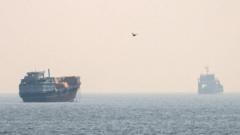
The US has conducted further military strikes in Iran, with reports of explosions in the southern part of the country. These actions follow an earlier incident involving suspected Iranian attacks on commercial vessels in the region.
Why Is This Happening
The immediate driver appears to be a cycle of perceived retaliation. The US states its actions are a response to alleged Iranian aggression against shipping, while Iran has indicated its intent to retaliate for the US strikes.
Why It Matters
This escalation directly threatens maritime security in the strategically vital Persian Gulf, a key artery for global energy supplies. It risks drawing regional and international actors into a wider conflict.
Political Impact
US-Iran relations have significantly deteriorated, increasing pressure on regional political actors to navigate the unfolding crisis. It could impact international diplomatic efforts and potentially embolden hardline factions in both countries.
Economic & Financial Impact
The conflict heightens risks to global oil prices and supply chains. Insurance costs for shipping in the region are likely to rise, and potential disruptions could impact international trade flows.
Social Impact
The situation creates significant anxiety among populations in Iran and neighboring countries. It could also influence public opinion and political discourse in the US and elsewhere regarding regional engagement.
Geographical Impact
Increased military activity and tension are concentrated in the Persian Gulf and potentially select areas within Iran. This poses a direct threat to shipping lanes and the security of coastal states.
Different Perspectives
The US actions are presented as necessary defensive measures and proportionate retribution for Iranian aggression targeting international shipping and global economic interests. Iran frames the US strikes as unwarranted aggression, threatening to respond forcefully to protect its sovereignty and interests, potentially viewing the actions as an attempt to destabilize the region. Many regional states and international bodies express deep concern over the escalation, fearing a wider conflict that could jeopardize regional stability and global energy markets.
Key Terms Explained
An increase in the intensity or seriousness of a conflict or dispute. An act of punishment for a perceived wrong or injury. The protection of shipping and maritime interests from threats such as piracy, terrorism, and state-sponsored aggression.
What Could Happen Next
A period of heightened tension and potential for further isolated incidents, but without a full-scale conflict, followed by a gradual de-escalation or a prolonged standoff. Diplomatic channels open to de-escalate significantly, possibly brokered by third parties, leading to a reduction in hostilities and a return to a tense but stable status quo. A significant miscalculation or deliberate escalation leads to direct military confrontation between the US and Iran, potentially drawing in regional allies and disrupting global energy supplies.