Ukraine's Ex-Defence Minister Calls for Elections Amid Martial Law
Rustem Umerov's call for elections highlights debates on democratic processes and governance continuity during wartime, clashing with legal restrictions imposed by martial law.
What Happened
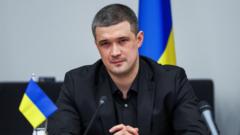
Former Ukrainian Defence Minister Rustem Umerov, recently dismissed, has publicly called for presidential elections to be held. Ukraine has been under martial law since Russia's full-scale invasion in February 2022, a state that constitutionally suspends elections.
Why Is This Happening
The call comes amidst ongoing considerations about democratic continuity and political legitimacy within Ukraine during an extended period of conflict and martial law. Umerov's statement may reflect internal political dynamics or a broader societal desire for normalcy and democratic participation.
Why It Matters
The question of holding elections under martial law raises complex legal, constitutional, and political issues regarding Ukraine's democratic institutions and international standing. It touches upon the balance between wartime necessity and the fundamental principles of representative government.
Political Impact
This statement could influence domestic political discourse, potentially creating a divide between those prioritizing wartime stability under current leadership and those advocating for electoral processes. It may also prompt discussions within the Verkhovna Rada (parliament) and the Presidential Office regarding constitutional interpretations and future political timelines.
Economic & Financial Impact
While not directly economic, the political stability suggested by a functioning electoral process, or the perceived instability from disputes over it, can indirectly affect investor confidence and economic recovery efforts.
Social Impact
Public opinion on holding elections during wartime is likely divided. Some may see it as a vital expression of democracy, while others might view it as a distraction from the war effort or a security risk.
Geographical Impact
The impact is primarily internal to Ukraine, but the perception of its democratic resilience affects its standing with international partners providing military and financial aid.
Different Perspectives
Pro-Election Advocates Holding elections, even under challenging circumstances, is a crucial reaffirmation of Ukraine's democratic values and a way to ensure continued popular legitimacy for its leadership during the conflict. Martial Law Realists Elections are currently impossible and potentially destabilizing due to martial law restrictions, security concerns, and the displacement of millions of citizens. The priority must remain national defense and survival.
Key Terms Explained
Martial Law: A temporary imposition of direct military control over normal civilian functions of government, usually in response to a temporary emergency such as invasion or major disaster. In Ukraine, it suspends certain civil liberties and electoral processes. Verkhovna Rada: The parliament of Ukraine. Democratic Continuity: The principle of maintaining democratic governance and processes, including elections, even during crises or emergencies.
What Could Happen Next
Base Case — Discussions around elections will continue, but the legal framework of martial law will likely prevent them from being held until the state of emergency is lifted. Focus remains on wartime governance. Upside Scenario — A constitutional amendment or specific legislation is passed to allow for conditional elections under martial law, possibly with international observation, aimed at bolstering domestic and international legitimacy. Downside Scenario — Deep political divisions emerge over the election issue, potentially impacting national unity and Ukraine's ability to present a cohesive front to adversaries and allies.