Trump's Iran rhetoric escalates, citing talks and military action
Former US President Donald Trump's heightened rhetoric regarding Iran, including threats of military action, emerges amid ongoing tensions and exchanges between the two nations.
What Happened
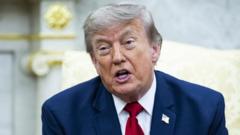
Former US President Donald Trump made public statements threatening to 'bomb' Iranian infrastructure, including bridges and power plants, if Iran did not return to negotiations concerning its nuclear program. These comments coincided with ongoing military exchanges between the US and Iran, including US actions to blockade Iranian ports.
Why Is This Happening
The remarks reflect longstanding tensions between the US and Iran, primarily driven by disputes over Iran's nuclear activities, regional influence, and support for proxy groups. Trump's specific threat appears linked to his administration's past 'maximum pressure' campaign and a potential desire to signal a hawkish stance.
Why It Matters
Such rhetoric can significantly increase regional instability, potentially leading to miscalculation and escalation. It also signals shifts in US foreign policy approaches depending on political leadership.
Political Impact
The statements could influence domestic political discourse in both the US and Iran. In the US, it may be interpreted as posturing ahead of potential future elections. In Iran, it could be used to galvanize nationalist sentiment or inform strategic decision-making regarding its nuclear program and regional posture.
Economic & Financial Impact
Increased geopolitical tension often translates to volatility in global oil markets, though the direct impact depends on whether the threats lead to actual conflict or disruptions to oil supply routes. Sanctions regimes could also be revisited or reinforced.
Social Impact
Heightened rhetoric and the threat of conflict can fuel anxiety and uncertainty among populations in the Middle East and potentially globally. It may also influence diaspora communities and international perceptions of regional stability.
Geographical Impact
The Strait of Hormuz and surrounding vital shipping lanes are central to the geopolitical dynamics referenced. Any military action or heightened tension in this region has immediate implications for global energy security and maritime trade.
Different Perspectives
Supporters of 'maximum pressure' Trump's confrontational approach is necessary to deter Iran from pursuing nuclear weapons and destabilizing regional actions, forcing it to the negotiating table from a position of weakness. Critics of 'maximum pressure' Such aggressive rhetoric and threats risk unintended escalation, alienating allies, and could provoke Iran into further provocative actions, ultimately undermining US interests and regional stability. Iranian government perspective US threats are a continuation of hostile policy aimed at regime change and exerting undue influence, while Iran asserts its sovereign rights and defensive capabilities.
Key Terms Explained
Maximum Pressure Campaign: A US foreign policy strategy involving sanctions and diplomatic isolation aimed at curtailing a nation's perceived undesirable activities. Nuclear Program: Refers to a country's efforts to develop nuclear technology, often with implications for weapons capability or energy generation. Geopolitical Tensions: Strained relations between countries or blocs, driven by competition for power, influence, and resources, often manifesting in military posturing or proxy conflicts.
What Could Happen Next
Rhetoric continues intermittently without significant military escalation, maintaining a high level of diplomatic tension and localized military posturing. Diplomatic channels are reopened, leading to de-escalation and renewed negotiations, potentially easing sanctions and reducing regional friction. Miscalculation or intentional provocation leads to a direct military confrontation between US forces and Iranian or Iran-backed assets, with potentially severe regional and global consequences, including significant oil market disruption.