Strait of Hormuz: Uneasy Calm, Economic Tensions Persist
A BBC report from Bandar Abbas highlights the dual realities of increased maritime security presence and persistent local economic activity amid heightened regional tensions.
What Happened
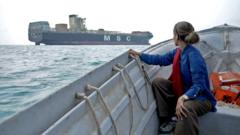
The BBC observed increased naval activity and security measures in the Strait of Hormuz region, notably around Bandar Abbas, Iran. While tensions remain elevated due to recent escalations involving Iran, the US, and Israel, daily life and traditional activities like fishing continue, albeit under a shadow of potential disruption.
Why Is This Happening
The increased security presence is a direct response to heightened geopolitical risks in the Strait of Hormuz, a critical chokepoint for global oil transit. Recent attacks attributed to Iran-backed groups and retaliatory actions have amplified concerns about maritime safety and potential escalation.
Why It Matters
The Strait of Hormuz is a vital artery for global energy supplies. Any disruption, or even sustained threat of disruption, carries significant implications for global energy markets, international trade, and regional stability. The apparent return of an 'uneasy calm' belies the underlying strategic importance and inherent volatility of the waterway.
Political Impact
Heightened security measures indicate a strategic calculus by regional and international actors to deter further aggression. The situation underscores the ongoing tension between Iran and the US/allies, influencing diplomatic efforts and military posturing in the Middle East.
Economic & Financial Impact
While direct disruptions to shipping were not explicitly detailed, the elevated security environment and the perception of risk can increase insurance costs for vessels transiting the strait. This, in turn, can indirectly affect oil prices and trade flows, even in the absence of overt blockades or attacks.
Social Impact
The presence of increased military hardware and security personnel in port cities like Bandar Abbas can create a sense of unease within the local population. However, reports also indicate the persistence of daily economic activities, suggesting a degree of adaptation or normalization to the prevailing conditions.
Geographical Impact
The Strait of Hormuz remains a critical geographical chokepoint, amplifying the strategic significance of the Persian Gulf. Increased surveillance and naval patrols in this confined waterway are a direct reflection of its geopolitical importance.
Different Perspectives
Local populations in the affected areas may experience a mix of anxieties related to potential conflict and the need to continue with daily life and economic pursuits, such as fishing, under a changed security paradigm. Official Iranian narratives likely emphasise national sovereignty and the right to defend its waters and interests, potentially framing increased security as a necessary measure against external threats or provocations. The US and its allies would likely view increased patrols and security as essential for safeguarding freedom of navigation and ensuring the unimpeded flow of global commerce, particularly oil, from potential Iranian interference.
Key Terms Explained
A narrow passage that controls access between two larger areas, making it strategically important for military and trade purposes. A vital strategic chokepoint connecting the Persian Gulf and the Gulf of Oman, through which a significant portion of the world's oil supply passes. Measures and operations undertaken to ensure the safety and security of maritime activities and infrastructure against threats such as piracy, terrorism, and state-sponsored aggression. Potential for instability or conflict arising from the interplay of geography, politics, and international relations, particularly in strategically important regions.
What Could Happen Next
The current uneasy calm persists, with ongoing heightened security measures. Sporadic incidents may occur, but major escalations are avoided through de-escalation efforts and mutual deterrence. Trade continues, albeit with potentially higher insurance premiums. A sustained period of de-escalation leads to a reduction in visible military presence and a decrease in perceived risk. Diplomatic channels are actively engaged, fostering greater regional stability and confidence in maritime passage. Mishandling of an incident or a deliberate escalation by one party leads to a significant disruption of maritime traffic in the Strait. This could trigger wider regional conflict and severe global economic repercussions, particularly for energy markets.